

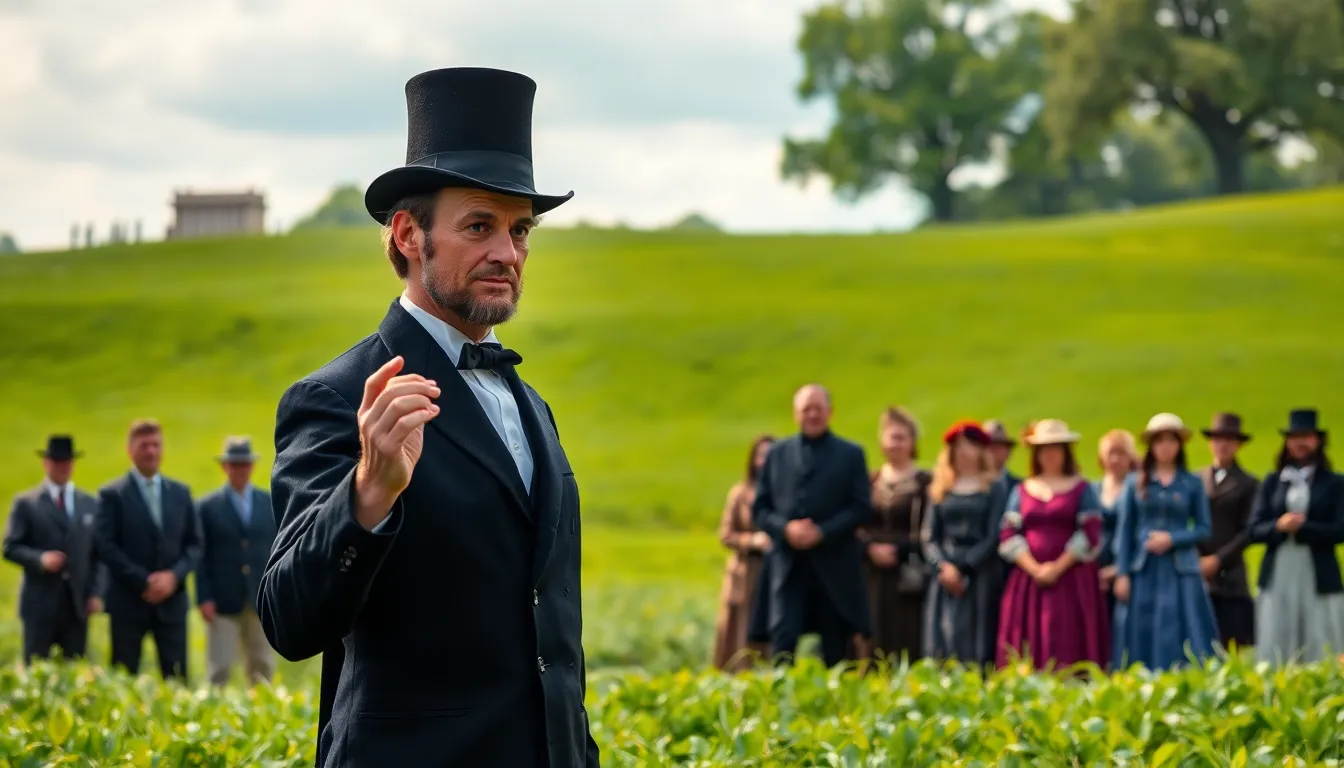
The Gettysburg Address isn’t just a speech; it’s a powerful reminder of what it means to stand for something greater. Delivered by Abraham Lincoln during the Civil War, this brief yet impactful address transformed a battlefield into a symbol of hope and unity. Imagine trying to encapsulate the essence of a nation’s struggle in just a few hundred words—Lincoln nailed it!
But why does this speech still resonate today? It’s not just about the words; it’s about the ideals of freedom, equality, and democracy that continue to inspire generations. In a world where tweets often replace thoughtful discourse, Lincoln’s eloquence serves as a refreshing reminder that sometimes less is more. Dive into the significance of the Gettysburg Address and discover why it remains a cornerstone of American history and a source of inspiration for all.
Historical Context of the Gettysburg Address
The Gettysburg Address emerged from a tumultuous period in American history. It resonated deeply with the themes of the Civil War and the ongoing struggle for national unity.
The Civil War Era
The Civil War defined a nation divided in its values and beliefs. It pitted the North against the South over issues like slavery and state rights. Tensions had escalated since the 1850s, leading to a fractious and bloody conflict. The war sparked intense debates over freedom and equality, shaping public consciousness. As the death toll climbed, the urgency for unifying rhetoric became paramount. Lincoln’s leadership sought to heal a fractured country, emphasizing shared ideals.
The Battle of Gettysburg
The Battle of Gettysburg marked a crucial turning point in the Civil War. Fought from July 1 to July 3, 1863, it represented one of the war’s bloodiest confrontations. Approximately 51,000 soldiers became casualties during this three-day battle. Both sides faced devastating losses, leading to significant shifts in military strategies. The Union’s victory not only bolstered morale but also reaffirmed the North’s commitment to preserving the nation. This battlefield became a site of remembrance, highlighting the sacrifices made and the quest for a unified America.
Key Themes of the Gettysburg Address
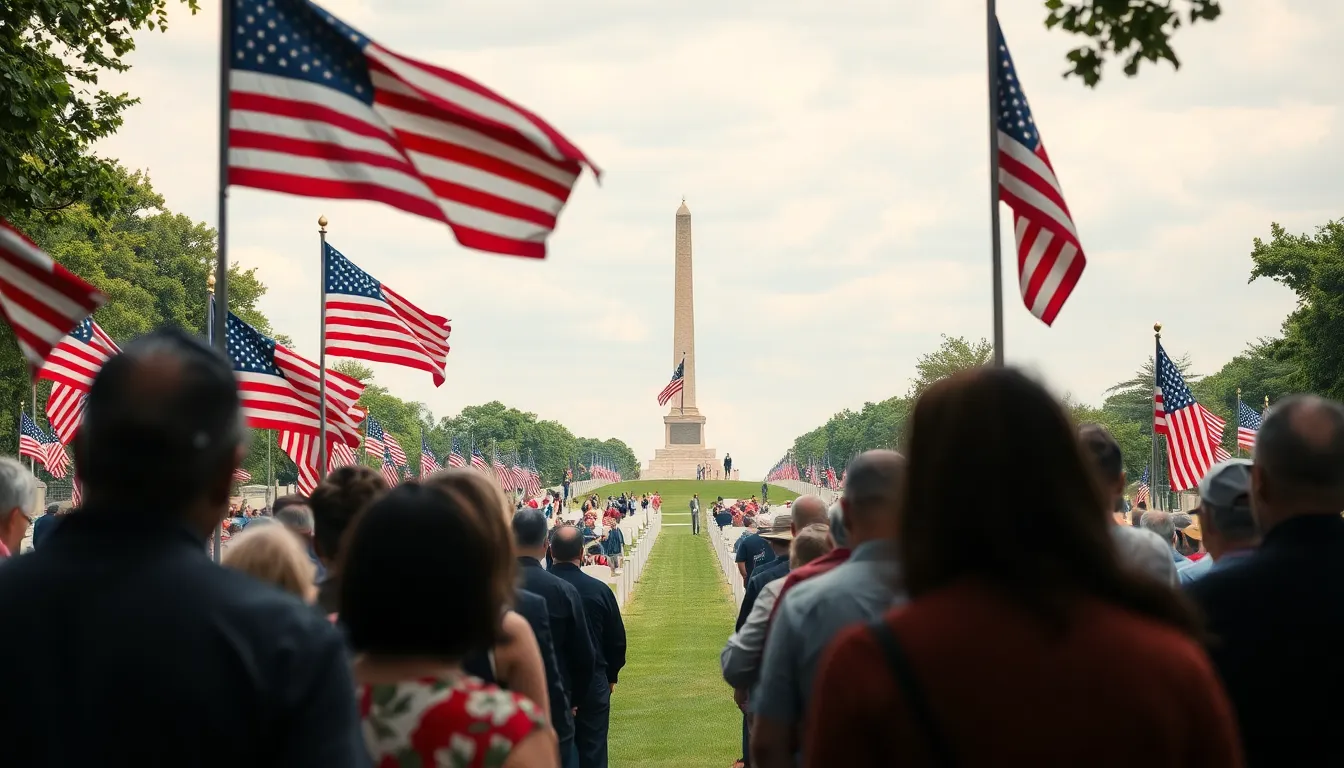
Lincoln’s Gettysburg Address encapsulates essential themes relevant to the nation’s identity. Two significant themes stand out: unity and equality, as well as sacrifice and honor.
Unity and Equality
Unity and equality are central to Lincoln’s message. He emphasizes the importance of a nation that stands united under shared ideals. The phrase “government of the people, by the people, for the people” highlights democracy’s essence. It reinforces the principle that all individuals, regardless of background, possess equal rights. Through this rhetoric, Lincoln aims to inspire the audience to commit to a future where unity prevails, urging the nation to overcome division. This powerful call resonates even today, reinforcing the notion that democracy flourishes through collective purpose.
Sacrifice and Honor
Sacrifice and honor emerge as pivotal elements in the address. Lincoln honors the fallen soldiers who fought at Gettysburg, recognizing their courage in defense of liberty. By stating that their sacrifice must not be in vain, he calls for the living to continue their mission. The speech underlines a collective responsibility to honor those who died by ensuring that their efforts lead to lasting change. This theme serves to remind the audience of the price of freedom, urging them to uphold the legacy of those who sacrificed everything for the nation’s ideals.
Impact of the Gettysburg Address
The Gettysburg Address remains a pivotal moment in American history. Its immediate effects were profound and far-reaching.
Short-Term Reactions
Initial reactions to Lincoln’s address varied among those present. Many attendees were struck by its brevity and depth, recognizing it as a powerful reflection on the battle’s significance. News outlets reported on the speech, framing it as a unifying statement that transcended its immediate context. Some praised Lincoln’s ability to articulate the nation’s core ideals amid the chaos of war. Others connected deeply with his call for unity, fostering a renewed commitment to the Union cause. The address sparked conversations about sacrifice and purpose, resonating with the public’s desire for reconciliation.
Long-Term Significance
Significance of the Gettysburg Address extends well beyond its immediate impact. It has shaped American national identity and discourse for generations. Scholars frequently cite it as a touchstone for discussions about democracy and civil rights. Generated discussions around freedom and equality surged, with activists using Lincoln’s words to advocate for various social justice movements. As the years passed, the address became integral to American memory, often recited in schools and public ceremonies. Its enduring legacy ensures that the ideals articulated by Lincoln remain relevant in contemporary dialogues about unity, sacrifice, and the ongoing struggle for equality.
Legacy of the Gettysburg Address
The Gettysburg Address has profoundly influenced American history and rhetoric. Its clarity and depth continue to resonate across generations, shaping both public discourse and political communication.
Influence on Future Speeches
Numerous speeches have drawn inspiration from Lincoln’s concise message. Civil rights leaders like Martin Luther King Jr. referenced its themes to advocate for equality and justice. Politicians frequently cite the address in times of national strife, using its sentiments to promote unity. The speech’s call for democracy inspires leaders worldwide, affirming its global relevance. Its impact extends beyond politics, influencing literature and art where themes of sacrifice and human rights prevail. Each reference reinforces Lincoln’s enduring legacy in promoting collective values.
Role in American Identity
The Gettysburg Address remains a cornerstone of American identity, encapsulating core national principles. It articulates the idea of a nation committed to equality and freedom, defining what it means to be American. The phrase “a government of the people, by the people, for the people” serves as a powerful reminder of democratic ideals. Citizens often reflect on Lincoln’s words during moments of national reflection, reinforcing a collective memory of sacrifice and resilience. This speech invites discussions on civic responsibility, shaping how Americans view their roles in democracy. Each remembrance fosters a shared commitment to uphold the principles of liberty and justice for all.
The Gettysburg Address stands as a pivotal moment in American history. Its profound themes of unity and equality resonate deeply, reminding citizens of their shared responsibility to uphold democratic ideals. Lincoln’s words continue to inspire movements for justice and equality, demonstrating the speech’s timeless relevance.
As a cornerstone of American identity, the address challenges individuals to reflect on their roles within democracy. Its legacy endures, shaping public discourse and encouraging ongoing dialogue about the nation’s core values. The impact of the Gettysburg Address is felt not only in the context of the Civil War but also in the broader struggle for freedom and justice across generations.