The gaming community has evolved far beyond what happens in-game. Every day, thousands of players pour creative energy into fan-created content, from custom maps and mods to 3D artwork and animations. Some of this content celebrates beloved franchises like Overwatch, while other creations push creative boundaries in ways official teams never could. But not all fan-created content exists in a legal gray zone, and not all of it is easy to find safely. If you’re curious about the vibrant ecosystem of fan creativity in gaming, where it lives, and what you should know before diving in, this guide covers the essentials that every gamer should understand.
Table of Contents
ToggleKey Takeaways
- Fan-created content ranges from wholesome custom skins and mods to niche material existing in legal and ethical gray areas, with 3D modeling becoming increasingly central to modern gaming culture.
- While most publishers tolerate non-commercial fan art and animations, Blizzard and other IP holders actively prohibit commercial exploitation and explicit sexual material tied to their franchises.
- Reputable platforms like ArtStation, DeviantArt, YouTube, and official game communities provide safe, moderated spaces to discover and support fan creators, while avoiding torrent sites and unregulated adult platforms.
- Developers actively monitor fan-created content to understand player desires, with successful fan concepts and workshop creations directly influencing official game updates and monetization strategies.
- The healthiest gaming ecosystem balances fan creative expression with IP protection through legitimate revenue-sharing programs and official fan artist grants rather than leaving creators in legal ambiguity.
Understanding Fan-Created Content In The Gaming Community
Fan-created content is any material made by players or fans rather than the official development team. This ranges from the wholesome, custom skins, gameplay mods, fan art, and cinematic recreations, to niche content that exists in legal and ethical gray areas. In gaming, this phenomenon isn’t new, but it’s exploded in scale and sophistication over the past decade.
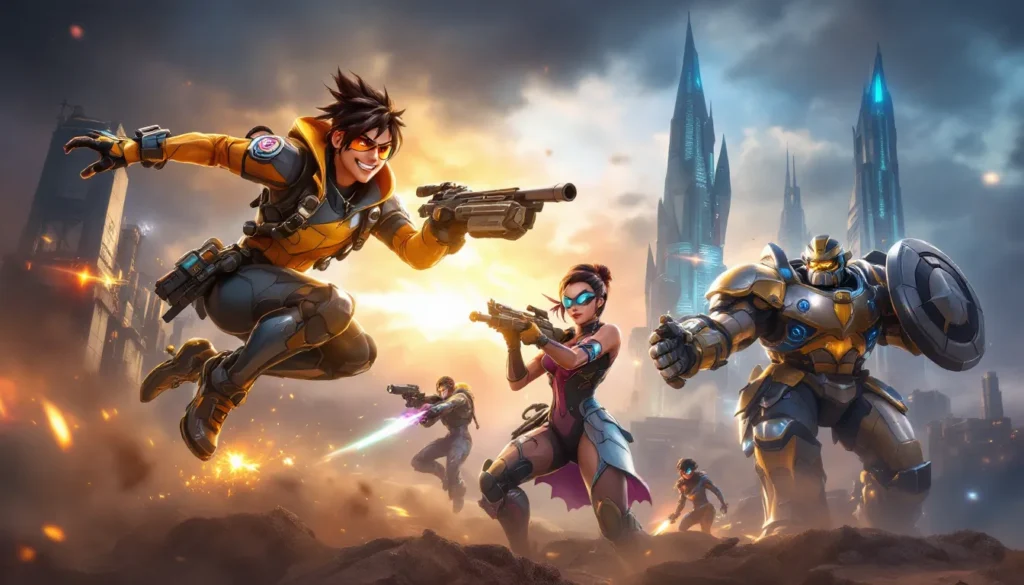
The Overwatch community, for instance, has generated an enormous volume of fan content across multiple forms. Some of it celebrates the game’s diverse cast of characters, creative lore, and competitive depth. Other content caters to specific interests or aesthetic preferences. Modding communities for games like Skyrim and Minecraft have proven that players will invest hundreds of hours creating and refining custom content when given the tools and freedom to do so.
What makes fan content significant is that it represents a direct line of passion from player to player. Unlike official marketing, fan creations often feel authentic, experimental, and unfiltered. They’re made because someone loved a game enough to spend time extending or reimagining it.
Why Gamers Create And Share Custom Content
The motivations behind fan content creation vary widely. Some creators want to see their favorite characters depicted in new ways. Others are testing artistic skills, learning 3D modeling, animation, or game design through hands-on projects. For many, it’s about community, sharing something with like-minded fans and receiving feedback or appreciation.
Competitive gamers sometimes create custom content to fill gaps in official offerings. A player might design a custom aim trainer to practice specific hero mechanics that the base game doesn’t provide. Content creators on streaming platforms use fan art and custom visuals to establish unique branding. Speedrunners craft custom challenges and rom hacks to reinvent beloved classics.
There’s also an undeniable creative outlet aspect. Game development tools have become more accessible, and platforms like YouTube, Discord, and Reddit have made distribution trivial. A solo artist working from a bedroom can now reach millions. That democratization of creation and distribution has fundamentally changed how gaming communities express themselves.
The Role Of 3D Modeling In Modern Gaming Culture
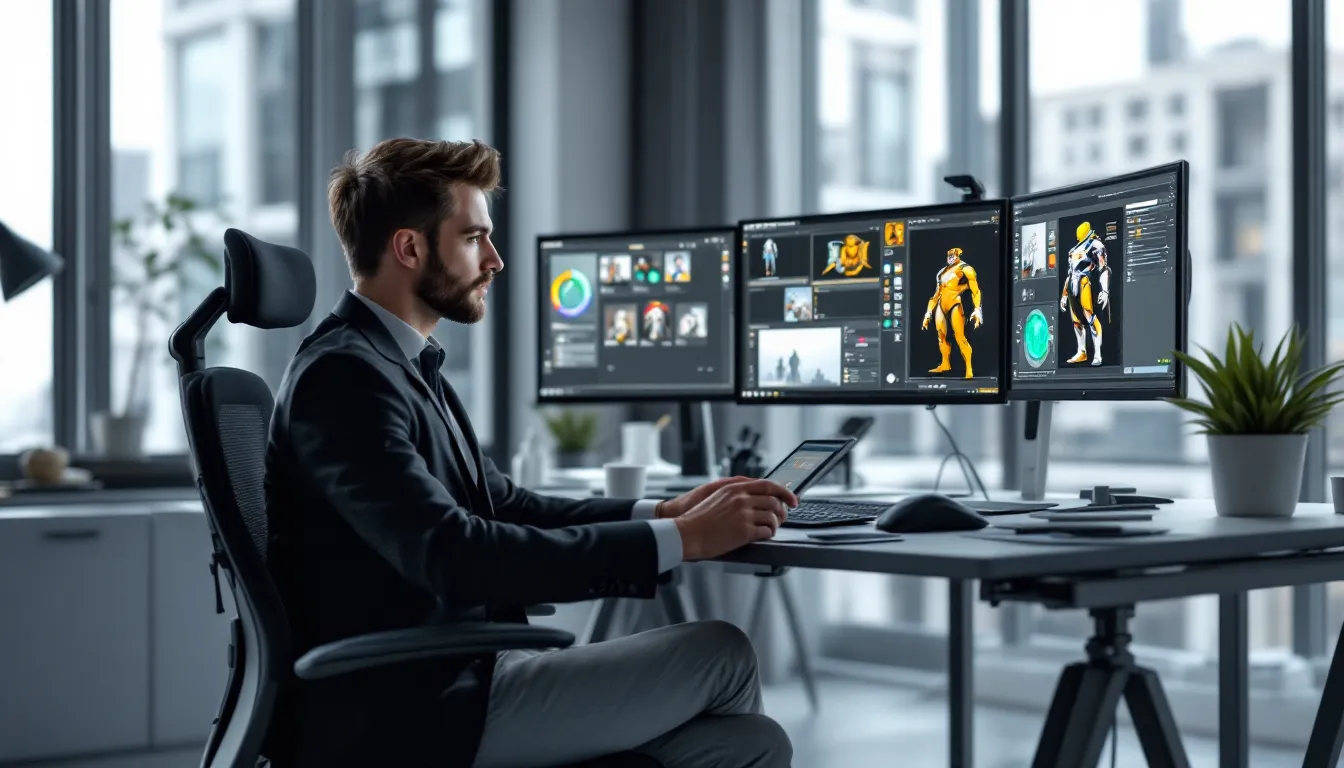
3D modeling has become central to fan creativity in recent years. High-quality 3D rendering software, both free (Blender) and professional (Maya, ZBrush), has lowered the barrier to entry. Gamers now create detailed character models, weapon replicas, and scene recreations that rival professional work.
In the context of franchises like Overwatch, 3D modeling enables fans to reimagine heroes in different styles, poses, and contexts. Some create anatomically detailed character studies: others focus on costume design, environment art, or narrative illustrations. The technical skill involved is substantial, lighting, topology, rigging, texturing, but the learning curve is manageable for motivated hobbyists.
These models sometimes end up in animations, static renders, or even as 3D-printed collectibles. The accessibility of 3D content creation means that the line between amateur and professional output has blurred considerably. A talented fan artist with six months of practice can produce work that competes with indie studio output.
Copyright And Intellectual Property In Fan Creations
Here’s where things get legally complicated. The characters, lore, visual design, and game worlds that fans love are protected intellectual property owned by Blizzard Entertainment (in Overwatch‘s case) or other studios. When you create fan content using someone else’s IP without permission, you’re technically infringing copyright.
That said, the reality is nuanced. Most game publishers tolerate fan content to a degree because it drives engagement and demonstrates community passion. Fan art, fan fiction, and non-commercial mods rarely trigger legal action. The tolerance usually breaks down when fan content is commercialized, selling fan-created merchandise, monetizing fan films, or distributing paid mods, or when it violates the publisher’s terms of service.
The gray area widens with explicit or sexual content. While fan creators have freedom of expression, publishers are particularly protective of their brands when that content exists. A character model can become a liability if it’s used in contexts the IP owner never authorized, especially if that usage reflects poorly on the franchise.
How Game Publishers Approach Fan Content
Different publishers handle fan creativity with vastly different approaches. Some actively encourage it: others aggressively protect their IP. Blizzard’s position on Overwatch fan content has evolved. The studio has never officially blessed explicit material, but enforcement has been selective.
Blizzard’s approach generally tolerates:
- Non-commercial fan art and animations
- Custom game modes and workshop creations
- Community guides and gameplay content
- Merchandise created under fan licensing agreements (through platforms like Redbubble in some cases)
Blizzard actively discourages or prohibits:
- Commercial exploitation of fan content
- Content that violates community guidelines
- Use of Overwatch assets in explicit sexual material
- Unauthorized monetization through ads or donations tied directly to fan content
Publishers like Nintendo famously take a harder line. The company has shut down fan games, ROM distributions, and commercial fan merchandise with legal action. Meanwhile, studios like The Pokémon Company have launched official channels specifically for fan content, offering guidance and even revenue-sharing opportunities.
For content creators, the safest path is to keep fan work non-commercial, avoid explicit material tied to family-friendly franchises, and respect cease-and-desist notices immediately if they arrive. Most creators never encounter legal issues because they stay under the radar and follow basic ethical guidelines.
Overwatch’s History With Community Engagement
Overwatch has always positioned itself as a community-first franchise. From day one, Blizzard invested in esports, streaming partnerships, and official community platforms. The studio recognized that fan engagement, including fan content, was crucial to the game’s long-term health.
When Overwatch launched in 2016, the community exploded with fan art, cosplay, and animations. Streaming platforms and art communities like ArtStation filled with Overwatch content almost immediately. The vibrant character design and diverse cast made the game naturally appealing to artists. By 2018, official Overwatch social channels regularly reposted fan art, giving creators visibility and validation.
The franchise also expanded beyond games. Animated shorts, comics, and tie-in media created rich storytelling opportunities that fans eagerly explored. Every new cinematic release sparked waves of fan analysis, recreation attempts, and derivative works. The community felt invited to participate in expanding the universe.
But, Blizzard’s tolerance for certain types of fan content became strained as the franchise matured. The company maintained brand guidelines, and certain content, particularly explicit material, existed in an uncomfortable liminal space. It wasn’t aggressively policed, but it wasn’t officially welcomed either.
Official Platforms For Fan Expression
Blizzard created legitimate channels for fan creativity within Overwatch. The Workshop, a custom game scripting tool, allows players to create entirely new game modes, adjust hero abilities, and design unique challenges. Workshop creations have spawned competitive sub-games that rival the base game in complexity.
Official Overwatch forums and social channels provided spaces for fan art sharing. The annual BlizzCon convention features costume contests, fan art exhibitions, and direct engagement between creators and developers. This legitimized fan creativity while keeping it within a controlled, brand-safe environment.
The Overwatch community also thrived on unofficial platforms:
- Reddit: Subreddits like r/Overwatch became hubs for sharing fan art, clips, and discussion
- Discord: Private and public servers hosted dedicated fan communities
- Twitter/X: Artists built massive followings by sharing Overwatch fan work
- YouTube: Fan animators, highlight creators, and cinematic directors built careers
These unofficial spaces gave fans freedom that official channels sometimes restricted. A fan artist can post experimental work on personal Twitter without worrying about Blizzard’s brand guidelines. This decentralization actually strengthened the community by allowing diverse creative expression alongside official content.
Where To Find Safe And Legal Gaming Content
If you’re interested in exploring fan-created gaming content, knowing where to find legitimate, safe spaces is critical. Stick to reputable platforms with content moderation and user protections.
Art Communities: ArtStation, DeviantArt, and Tumblr host millions of fan creations. These platforms have reporting systems and content filters. You can browse, favorite, and follow artists directly. Most fan artists welcome engagement and commissions.
Video Platforms: YouTube hosts fan animations, cinematic recreations, and gameplay montages. Channels dedicated to game franchises often aggregate the best community content. These creators earn through monetization, sponsorships, and fan support.
Gaming Forums & Social Media: Official game forums, subreddits, and Discord servers are moderated spaces where fans share work. Communities like r/Overwatch feature daily fan art posts with active discussion. Gaming news sites often cover significant fan projects.
Direct Creator Support: Many fan creators now use Patreon, Ko-fi, or personal storefronts to monetize their work ethically. Supporting creators directly ensures they benefit from their labor.
What you should avoid:
- Torrents or file-sharing sites distributing fan content illegally
- Obscure adult sites hosting explicit fan material
- Scam sites claiming to offer exclusive content for payment
- Platforms with minimal moderation or age verification
Legitimate Gaming Communities And Resources
Reputable gaming communities maintain standards for content quality, legal compliance, and user safety. The best communities are transparent about their moderation policies and provide clear guidelines.
Other trustworthy resources include:
- The Loadout: Offers guides and community analysis for competitive games, including Overwatch
- Polygon: Covers gaming culture, fan phenomena, and entertainment industry dynamics
- Official game communities: Discord servers run by developers or endorsed community leaders
- Academic or journalistic coverage: Articles analyzing fan culture and its impact on gaming
These spaces encourage creative expression while maintaining legal and ethical boundaries. They acknowledge that fan content matters to gaming culture without pretending that all fan-created material is appropriate or legal.
When evaluating whether to engage with specific fan content, ask yourself:
- Is this content created by the original rights holder or a fan?
- Is it being distributed legally and ethically?
- Does it violate the game’s terms of service or community guidelines?
- Am I comfortable supporting the creator (financially or otherwise)?
These questions help you navigate fan content responsibly.
The Impact Of Unofficial Content On The Gaming Industry
Fan-created content profoundly influences gaming industry decisions, though publishers don’t always admit it publicly. Developers monitor fan creations to understand what players want that the official game isn’t providing.
When a fan-designed hero concept goes viral, developers take notice. If thousands of players are using a particular workshop creation more than certain official modes, that data is valuable. Fan feedback expressed through art, mods, and community projects becomes actionable intelligence.
The success of fan communities also drives monetization strategies. Cosmetics, battle passes, and cosmetic item shops exist partly because publishers recognized how invested players are in character customization. Fans had been creating and sharing custom skins for years before official cosmetics became primary revenue.
Esports and streaming, powered largely by fan content creators, have become pillars of modern game marketing. A talented content creator with a personal brand generates more authentic marketing than million-dollar ad campaigns. Publishers now actively court content creators, offering early access, sponsorships, and partnerships.
But, there’s tension here. Unofficial content that becomes too dominant can create expectations publishers can’t meet. If fans demand explicit content and publishers refuse, frustration builds. If mods become more popular than official content, it signals creative failures. Publishers must balance allowing fan expression with maintaining control over their brand and narrative.
Looking at platforms that track performance optimization and community reception, you see how fan feedback shapes technical decisions. When players discuss preferred graphical settings or performance targets, those conversations directly influence future updates.
The reality is symbiotic. Publishers depend on fan creativity to keep communities engaged between official content releases. Fans depend on the IP and platform that publishers provide. When that relationship is healthy, gaming culture thrives. When publishers overreach or fans violate reasonable boundaries, both sides suffer.
Some forward-thinking publishers have monetized fan creativity legitimately. Official fan artist grants, revenue-sharing for community content, and licensed merchandise programs allow creators to earn from their passion while keeping IP holders in the loop. This model may represent the future, one where fan creativity is celebrated and appropriately compensated rather than existing in legal ambiguity.
Conclusion
Fan-created content is woven into gaming culture’s DNA. It represents the passion that keeps communities alive during content droughts, the creativity that expands franchises beyond their original scope, and the skill development that sometimes creates tomorrow’s professional artists and developers. In the context of Overwatch and countless other franchises, fan work has become inseparable from the experience of being a community member.
Understanding this ecosystem means recognizing both its creative beauty and its legal realities. Not all fan content operates in clear legal territory, and that’s worth acknowledging honestly. Publishers have legitimate reasons to protect their IP, and fans have legitimate interests in expressing themselves through the franchises they love. The healthiest gaming culture acknowledges both.
If you’re exploring fan content, start with established, reputable communities. Support creators directly when possible. Respect franchise holders’ guidelines while celebrating the boundary-pushing creativity that makes gaming communities special. And recognize that the line between fan content and professional work has become productively blurred, many of today’s game developers, concept artists, and narrative designers cut their teeth on fan projects.
The growing world of fan-created gaming content isn’t slowing down. As tools become more accessible and communities more organized, expect even more sophisticated fan projects. That’s healthy for gaming culture. Just navigate it with awareness of both the creative opportunities and the practical considerations at stake.