

In the vibrant world of Overwatch, maps are more than just backdrops; they’re the playgrounds where epic battles unfold. Each map brings its own unique flair, challenging players to adapt their strategies and teamwork. Whether it’s the bustling streets of Numbani or the serene gardens of Hanamura, the right map can turn the tide of battle faster than you can say “ultimate ready!”
Overview of Overwatch Maps
Overwatch maps play a critical role in shaping gameplay experiences. Each map offers unique features that challenge players to adapt their strategies. Specific objectives and layouts define the three game modes: Assault, Escort, and Hybrid.
Numbani, for example, represents an Escort map where attackers must transport a payload from one point to another. In contrast, Hanamura is an Assault map requiring attackers to capture two points in sequence.
Overall, map design influences player collaboration and strategy. Verticality, cover, and chokepoints are key elements that can alter how teams engage in combat. Each map also contains environmental hazards that players can utilize or avoid.
The choice of hero can affect map control significantly. Players often select heroes based on map layout, team composition, and enemy strategies. Knowing the strengths and weaknesses of specific maps can lead to strategic advantages.
Regular updates and map rotations keep gameplay fresh. Seasonal events may introduce limited-time maps, encouraging players to explore new tactics. Overwatch maps function as more than just arenas; they engage players and enhance the competitive experience.
Types of Overwatch Maps
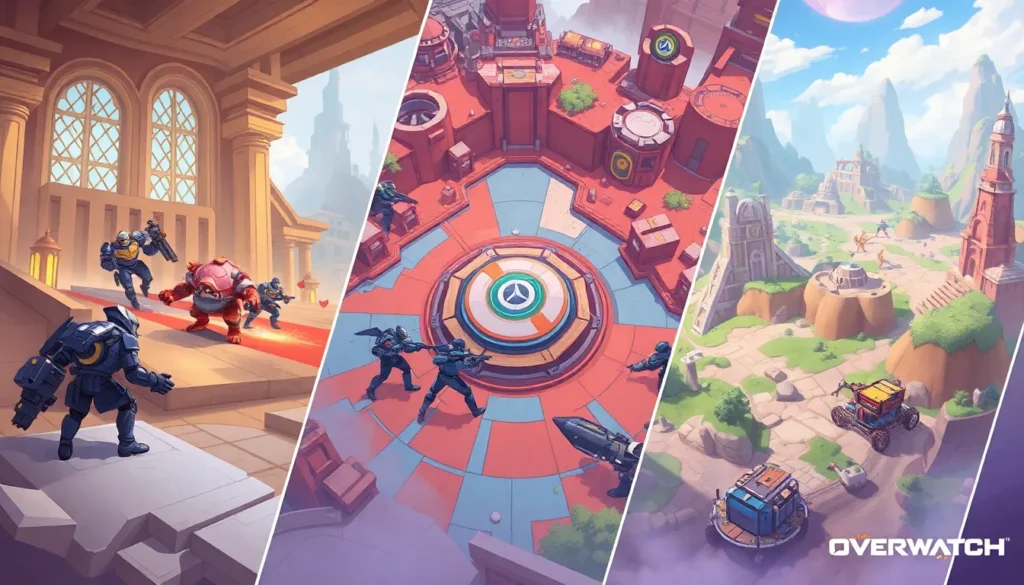
Overwatch features various map types, each shaping gameplay and strategies. Understanding these categories enhances player experience and improves tactical execution.
Assault Maps
Assault maps challenge teams to capture designated points. Each map usually features two capture objectives. An example is Hanamura, where attackers focus on securing both points within a time limit. The defending team employs strategies to delay or prevent captures through effective use of chokepoints. Players face dynamic combat scenarios, requiring coordination and communication. Map design often includes high ground and cover to facilitate diverse engagement tactics. Adaptability is crucial, as teams may switch hero compositions based on their opponents’ defensive strategies.
Control Maps
Control maps encourage teams to fight for control of a central point. Each match consists of rounds, with the first team reaching 100% capturing victory. Maps like Ilios illustrate this format with multiple capture zones across distinct environments. Teams employ zone control techniques, emphasizing teamwork and positioning. Environmental features can create advantages, pushing players to use verticality and natural cover effectively. Quick decision-making plays a crucial role, as control changes rapidly with enemy movements, testing teamwork and adaptability.
Escort Maps
Escort maps revolve around moving a payload to a destination. Attackers must safely navigate the payload from point A to point B, while defenders aim to halt progress. Numbani serves as a prime example, featuring a multi-stage route. Each stage presents unique challenges, such as tight corridors or open spaces, influencing combat dynamics. Teams might adopt different strategies based on the positioning of the payload and enemy defenses. To succeed, attackers need coordination and awareness, while defenders focus on map control and positional advantages.
Hybrid Maps
Hybrid maps combine elements of both Assault and Escort formats. Teams first attempt to capture a point before escorting a payload to a destination. An example is King’s Row, where the initial capture phase often impacts the payload escort strategy. Successfully securing the first point sets the stage for a strategic payload journey. Differences in map layout can greatly affect tactics, requiring flexibility and role adaptability. Strong communication elevates team synergy, helping navigate both capture and escort phases effectively.
Popular Overwatch Maps
Overwatch features a variety of maps, each offering unique designs and gameplay dynamics. Here are some popular maps that highlight the game’s strategic depth.
Anubis
Anubis serves as an Assault map, requiring teams to capture two points. Players face architectural challenges as they navigate narrow corridors and large open spaces. Effective coordination among teammates is crucial when approaching the objectives. Utilizing high ground allows players to gain a tactical advantage, especially with heroes capable of vertical mobility. The map’s design encourages engagements at multiple distances, demanding flexibility in hero selection and team composition.
Numbani
Numbani stands out as an Escort map where attackers escort a payload across various terrains. Team synchronization is essential as they encounter chokepoints and open spaces that alter the pace of the game. Strategic positioning behind cover and utilizing sightlines can define the effectiveness of both attacking and defending teams. Hero choice significantly influences each phase, making it important to adapt strategies based on the map layout. The vibrant visuals and thematic elements of Numbani enhance the overall gameplay experience.
Ilios
Ilios functions as a Control map, focusing on capturing a single central point. Teams compete to dominate this area, leading to intense skirmishes. Various environmental features, such as cliffs and walls, create opportunities for strategic hero abilities. Quick decision-making becomes vital, as players must adapt to fluctuating conditions during matches. The three distinct stages—Ruins, Well, and Lighthouse—each present unique challenges and require different tactical approaches. Team composition remains critical for securing the point.
Route 66
Route 66 is another popular Escort map, notable for its winding terrain and diverse environments. Players transport a payload through small towns and wide-open areas, encountering both defensive and offensive scenarios. Chokepoints along the route can lead to crucial firefights, emphasizing the importance of teamwork. Hero synergies can significantly impact the flow of the match, leading to advantageous positions. Route 66’s engaging layout encourages innovative strategies and agile hero selections throughout the game.
Map Design and Strategy
Map design plays a crucial role in Overwatch by creating dynamic environments that influence gameplay strategies. Each map’s unique features compel players to adapt their approaches and work cohesively as a team.
Importance of Map Layout
Map layout influences player movement and engagement. Verticality offers strategic vantage points, while cover provides opportunities for flanking and ambushing opponents. Team composition must be adjusted based on the layout, as certain heroes excel in specific setups. For example, maps like Hanamura, with tight corridors, benefit from heroes that can control chokepoints. Designers often integrate environmental hazards that can be used to a team’s advantage, creating opportunities for surprise attacks and tactical retreats. Understanding and leveraging these elements increases a team’s effectiveness during matches.
Effective Strategies for Each Map Type
Different map types require distinct strategies for optimal success. Assault maps, such as Hanamura, emphasize coordinated pushes to capture objectives, often necessitating the use of heroes with crowd control abilities. Control maps like Ilios demand constant team collaboration to secure and hold a central point, with heroes that can counter enemy tactics playing a vital role. Escort maps, exemplified by Numbani, require careful payload management while navigating enemy threats, making it essential to switch heroes based on map context. Hybrid maps, like King’s Row, blend strategies from both Assault and Escort, necessitating adaptability and communication to meet the dynamic challenges presented. Each map type thus fosters specific approaches that define gameplay experiences.
Overwatch maps are more than just battlegrounds; they shape the entire gameplay experience. Each map’s unique features challenge players to think strategically and collaborate effectively. Understanding the intricacies of different map types and their design elements is crucial for success.
As players navigate through Assault, Escort, Control, and Hybrid maps, they must adapt their hero choices and strategies accordingly. The dynamic nature of these environments keeps the game fresh and encourages innovative tactics. With regular updates and new maps introduced, the importance of mastering map knowledge remains vital for any Overwatch player looking to elevate their game. Embracing the challenges each map presents can lead to greater teamwork and ultimately more victories.