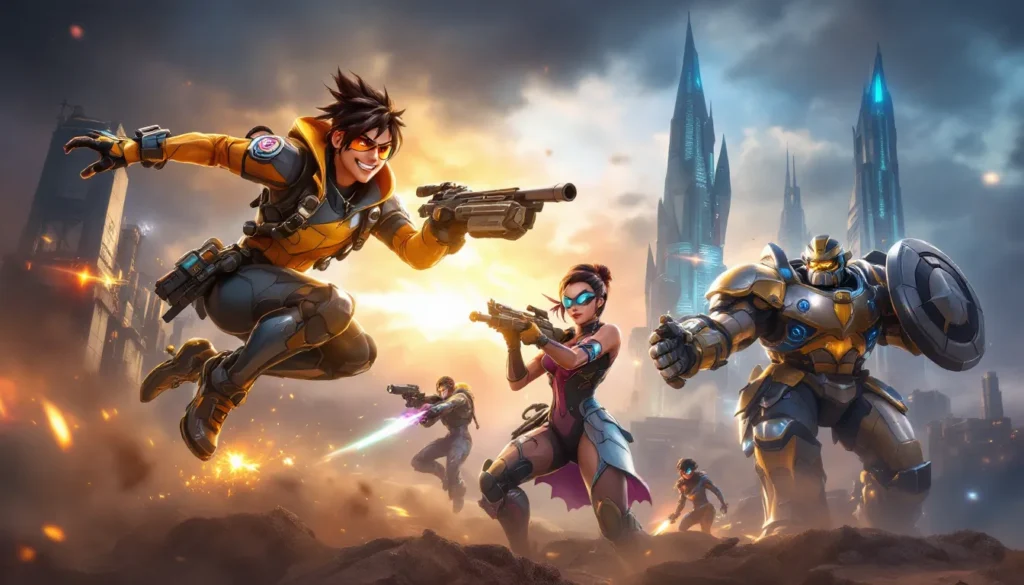


Overwatch maps are more than just pretty locations where players duke it out: they’re intricate battlegrounds filled with strategic possibilities, vibrant art, and the occasional lost payload. Whether you’re a seasoned veteran or a curious newbie, understanding the nuances of each map can turn you from a scrambling noob to a tactical genius faster than you can say “ultimate ability.” Buckle up, because we’re about to jump into the world of Overwatch maps, get ready to take your gameplay to the next level.
Overview of Overwatch Maps
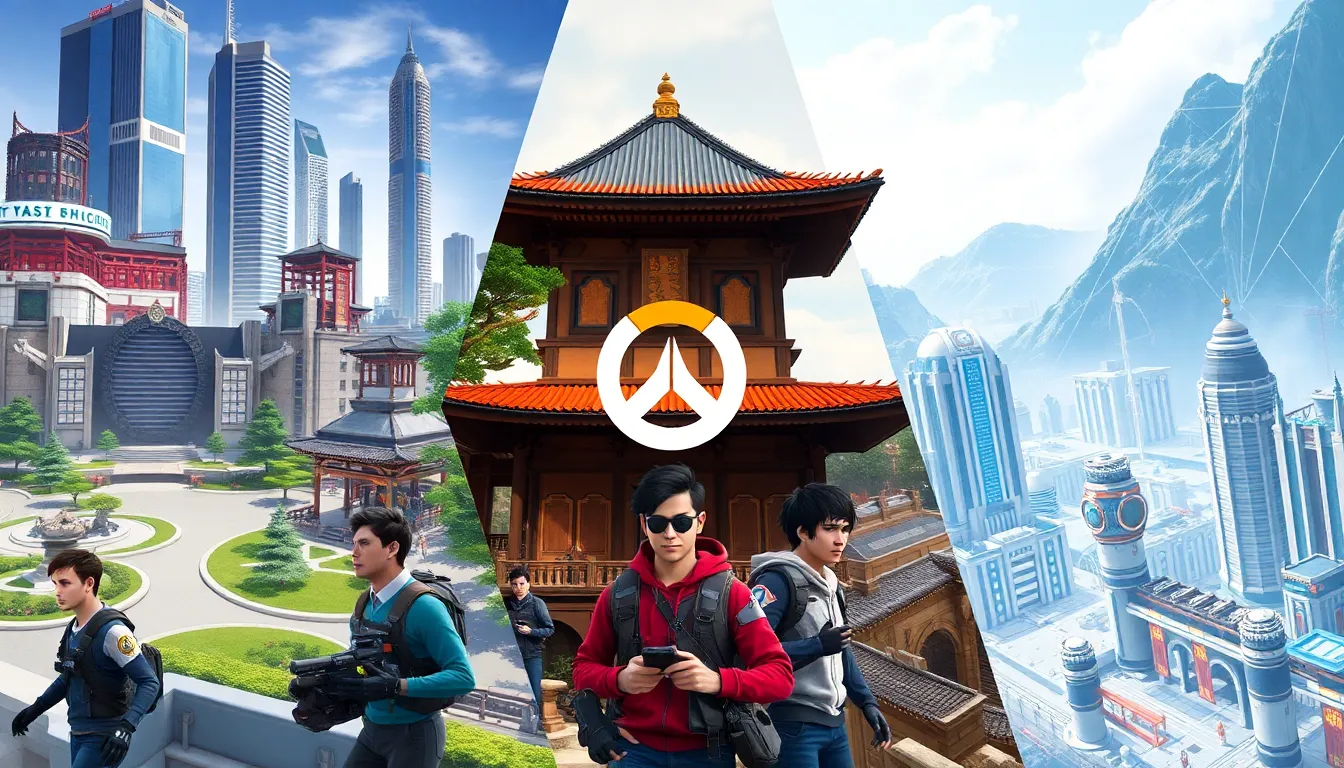
Overwatch features a diverse array of maps that are crucial to gameplay, each with unique backstories and design philosophies. From bustling urban cities to serene temples, these maps aren’t just visually distinct but are also crafted to enhance the game’s competitive edge. Understanding the themes behind these environments can give players valuable insights into how to adapt their strategies. Also, each map is a reflection of Overwatch’s commitment to global representation, with locations inspired by real-world cultures and landmarks.
Players navigate through various terrains, from narrow alleyways and open courtyards to high-tech futuristic cities. The variety of maps contributes significantly to the feel and rhythm of each game, making Overwatch a dynamic experience.
Maps are categorized into four primary game modes: Assault, Control, Escort, and Hybrid. Each mode presents unique objectives and player tactics, which we’ll explore in depth in the following sections.
Map Types and Modes
Maps in Overwatch are primarily split into four types, each offering different gameplay dynamics:
- Assault: In these maps, the attacking team tries to capture two designated points. They must dig deep, coordinating abilities and strategies to secure each point. Notable examples include Temple of Anubis and Hanamura.
- Control: Control maps require teams to battle for control over a single point. The first team to reach a certain percentage of control wins. Maps like Ilios and Nepal highlight the importance of versatility and team synergy.
- Escort: These maps feature a payload that the attacking team must escort to a final destination while the defenders try to stop them. Kings Row and Dorado are classic examples, where timing and positioning can mean the difference between victory and defeat.
- Hybrid: Combining elements of both Assault and Escort, hybrid maps require teams to capture a point before escorting a payload to its destination. Best exemplified by maps like Numbani and Hybrid-Rialto, they encourage diverse gameplay strategies, giving players multiple ways to achieve their objectives.
Understanding these types enhances strategic planning, letting players adapt their styles based on the map and mode.
Detailed Map Analysis
Let’s break down some standout maps to understand their unique characteristics and player experiences:
1. Numbani
Combining tech and aesthetics, Numbani features both an open area for engagements and tight spaces for flanking. Understanding your character’s capabilities can help in navigating this beautifully designed map while strategizing against the enemy.
2. Watchpoint: Gibraltar
Set in a high-tech airport, this map demands excellent coordination, especially during the payload section. Defenders occupy an elevated position, challenging attackers who must outsmart and outmaneuver.
3. Ilios
This control map features three distinct locales, each with unique features. Each point on Ilios requires different strategy tweaks, underscoring the need for players to change tactics on the fly.
4. Hanamura
Known for its beautiful cherry blossoms, Hanamura is a prime example of an assault map that tests both offense and defense. The verticality and narrow pathways create unique engagements that keep each match dynamic.
Through this analysis, it becomes clear that each map has distinct strategic elements that can favor different hero compositions.
Strategies for Each Map
Understanding the strengths and weaknesses of each map can give players a huge advantage. Here are tailored strategies for navigating a few key maps:
Numbani
- For Attackers: Use characters with mobility to flank the defenders effectively. Heroes like Genji or Tracer can capitalize on their speed to reach crucial sniper spots or flank the enemy team.
- For Defenders: Control high ground positions. Place heroes like Widowmaker or McCree on ledges to pick off attackers before they can engage.
Watchpoint: Gibraltar
- For Attackers: Coordinate your ultimates before pushing the last payload section to break through the sniper defenses.
- For Defenders: Communication is key: call out enemy movements to counter their strategies effectively. Positioning supports wisely can help keep the team alive in critical moments.
Ilios
- For Attackers: Make quick decisions to capture points. Rotating heroes based on the map’s unique challenges is essential.
- For Defenders: Mix up positioning to keep the attackers guessing while maintaining a strong defense.
Community Contributions and Map Suggestions
The Overwatch community is a vibrant hub of creativity, often suggesting new maps or tweaks to existing ones. Players frequently propose ideas based on personal preferences or cultural inspirations, contributing to the potential evolution of maps. The community often shares their maps on platforms like Workshop, showcasing concepts that embrace diversity and address game balance.
Feedback from the community doesn’t just stop at suggestions. Players share strategies and tips on forums, contributing to a shared knowledge base that can benefit everyone. Engaging in these forums not only enriches gameplay but also builds a sense of camaraderie among players.
Future of Overwatch Maps
As Overwatch evolves, so too will its maps. With ongoing game updates, new maps are likely to emerge, offering fresh challenges and experiences. Developers often tease the community about potential future maps, sparking excitement and speculation.
The advancement of technology and improvements in game design means that future maps will likely incorporate greater complexity, including interactive environments and dynamic weather changes. These features can further influence gameplay, requiring players to adapt their strategies on the fly. Expect Overwatch maps to become even more visually stunning and engaging in future installments.